Product Description
Application
- Water treatment Plant, Effluent Treatment, Filter Press for dyes and Chemicals, Fertilizer Plants, Thermal and atomic power plants, Drugs & Pharmaceutical Industries Descaling of Tubes, Scrubbing of corrosive gases like Cl2, Br, I, So2,Nh3, F2 Etc.
- Excellent for Vacuum ejectors.
- Transffering of concentrated HCL from Road tankers Paper & Pulp Industries Pickling in Steel rolling mills. Caustic soda Plants : Chlorinated Brine, Conc. HCL, Dilute H2SO4 etc.
- PHOSPHORIC Acid Plants : H3PO4, H2SO4, HF and their mixture with or without solid (gypsum) up to 40% conc.
- Gas Washing Plants : Scrubbed Liquids containing Cl2, Br2, F2, I2, So2, So3, Co2, Nh3, Gases tec. with solids replace Hast Alloy.
- Rayon Plants : Spin bath solution (H2SO4, ZNSO4, NASO4 etc.) Electro Plating
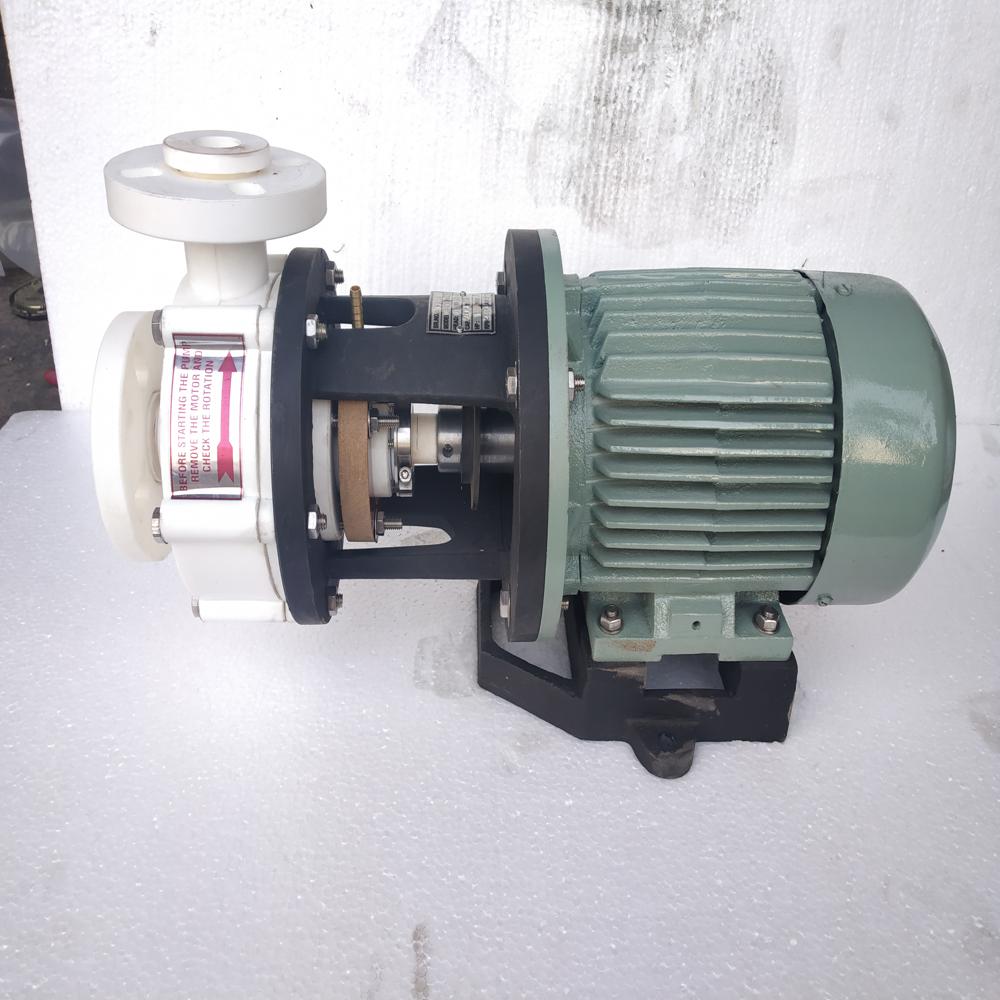
- CASING : Top Centerline discharge and Integrated flanges, Single piece, joint less casing formed out of Injection molded Polypropylene / PVDF / UHMWPE.
- IMPELLER : Hydraulicaly balanced and accurately matched to casing profile, the semi open type impeller with particle shroud and glass finished smooth flow passage ensure high efficiency low NPSH performence Impeller made from compressor molded Polypropylene PVDF / UHMW.
- SHAFT : The Shaft is made from SS 304 Protected by shaft sleeve of alloy-20 or alumina field Teflon or ceramic.
- BEARING HOUSING : Made from heavy duty graded casting.
- BEARING : SKF Ball Bearing
- MECHANICAL SEAL : Rotary part of seal is made from Glass filled Teflon & Stationary part of seal is made from high alumina filled ceramic.
- DISTANCE PIECE : Heavy duty one piece injection molded poly propylene
- Head Up To : 60 mtrs
- Pump Size : 25 mm to 150 mm
- Capacity : 180 M3/hr
- Speed : 1440/2880 RPM / at 50 Hz & 1750/3500 RPM / at 60 Hz
- Temperature : up to 110 deg C
|
MODEL
|
SUCTION (MM)
|
DELIVERY (MM)
|
IMPELLER (MM)
|
HP
|
RPM
|
Capacity in M3/hr
|
|
|
|
|
|
|
Head in meter
|
|
RE-100
|
25
|
25
|
100
|
01
|
2900
|
12
|
11
|
08
|
05
|
02
|
00
|
|
|
|
|
|
|
04
|
06
|
07
|
09
|
10
|
11.5
|
|
RE-120
|
40
|
32
|
120
|
02
|
2900
|
19
|
15
|
10
|
08
|
05
|
00
|
|
|
|
|
|
|
05
|
07
|
11
|
13
|
15
|
17
|
|
RE-50R
|
40
|
40
|
190
|
02
|
1440
|
26
|
25
|
12
|
06
|
2.0
|
00
|
|
|
|
|
|
|
02
|
05
|
08
|
10
|
11
|
12
|
|
RE-130
|
50
|
40
|
135
|
03
|
2900
|
22
|
18
|
13
|
08
|
05
|
00
|
|
|
|
|
|
|
09
|
14
|
17
|
21
|
23
|
25
|
|
RE-160R
|
40
|
40
|
140
|
03
|
2900
|
25
|
22
|
15
|
09
|
05
|
00
|
|
|
|
|
|
|
05
|
10
|
15
|
18
|
20
|
23
|
|
RE-50
|
75
|
40
|
205
|
03
|
1440
|
32
|
25
|
15
|
05
|
00
|
00
|
|
|
|
|
|
|
10
|
11
|
12
|
13
|
14
|
15
|
|
RE-160
|
75
|
40
|
157
|
05
|
2900
|
30
|
25
|
18
|
10
|
05
|
00
|
|
|
|
|
|
|
10
|
15
|
20
|
25
|
27
|
29
|
|
RE-55
|
75
|
50
|
210
|
05
|
1440
|
46
|
37
|
30
|
15
|
05
|
00
|
|
|
|
|
|
|
06
|
12
|
14
|
15
|
17
|
16
|
|
RE-170
|
75
|
50
|
160
|
7.5
|
2900
|
50
|
40
|
35
|
20
|
07
|
00
|
|
|
|
|
|
|
10
|
15
|
20
|
25
|
30
|
33
|
|
RE-40
|
50
|
40
|
190
|
12.5
|
2900
|
40
|
35
|
30
|
25
|
10
|
00
|
|
|
|
|
|
|
25
|
30
|
35
|
40
|
45
|
50
|
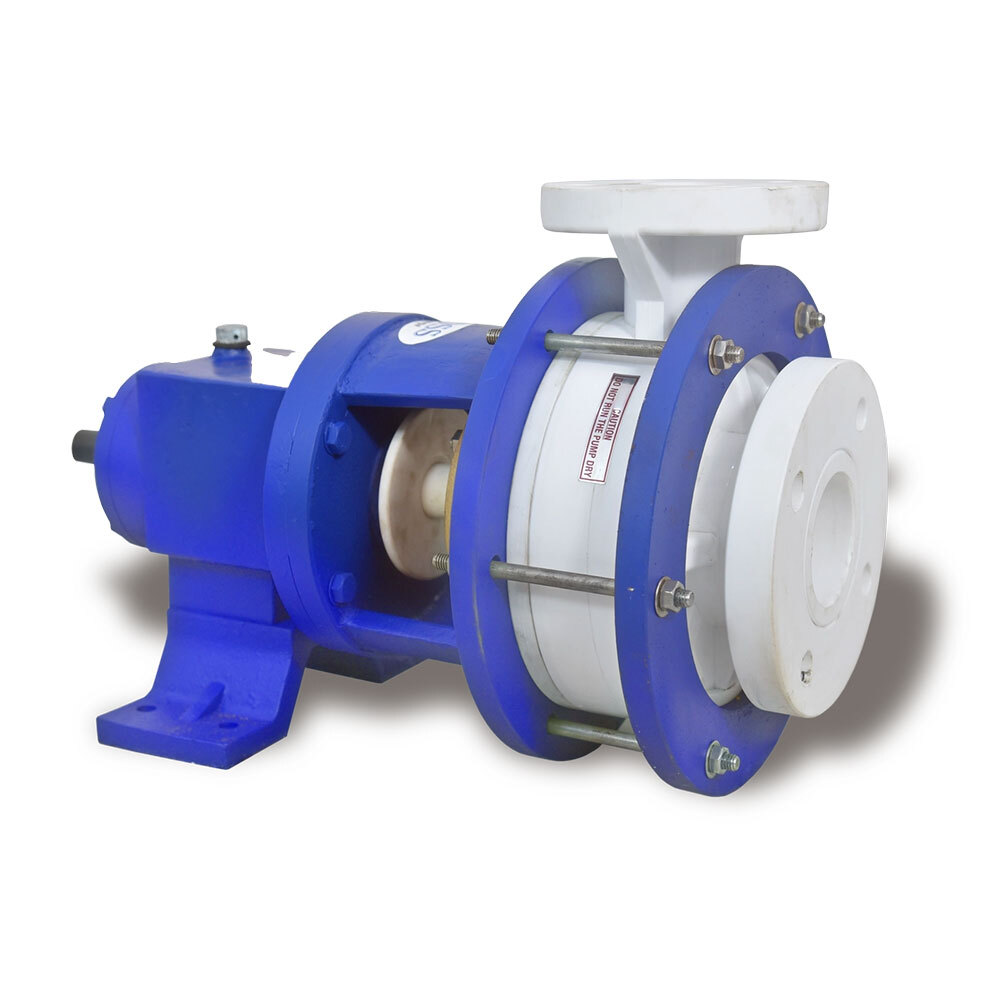
Corrosion Resistant ConstructionThe use of polypropylene (PP) for the wet end parts, paired with high-quality shaft materials such as SS 304, SS 316, or EN 8 with a polypropylene sleeve, delivers outstanding resistance against corrosive and aggressive fluids, vastly prolonging operational lifespan and minimizing maintenance requirements.
Versatile Application and Efficient DesignThese horizontal centrifugal pumps are compliant with ISO 2858 standards and support a range of flange standards (DIN/ANSI/BS). Engineered for end suction, single-stage operation, and featuring a back pull-out design, they ensure ease of service and versatile installation for large-scale and niche applications alike.
Robust Performance and ProtectionEquipped with IP55 protection, the pumps prevent dust ingress and withstand harsh operating environments. The ambient cooling method, leak-proof mechanical (or PTFE bellow) seal, and low noise level make them suitable for continuous operation, offering both safety and reliability.
FAQ's of Polypropylene Centrifugal Pumps:
Q: How should the Polypropylene Centrifugal Pump be installed for optimal operation?
A: Install the pump in a horizontal position using the supplied baseplate for firm support. Ensure suction piping is aligned to minimize vibration and install the unit in a well-ventilated area, enabling adequate ambient cooling. Confirm electrical connections match the voltage and phase specifications (230V/415V, single or three phase).
Q: What types of fluids can the pump handle, and what is the maximum allowable solid size?
A: This pump is designed for corrosive and chemically aggressive fluids with a viscosity up to 200 cP. With the semi-open impeller option, it can handle solid particles up to 3 mm in diameter, making it suitable for mildly contaminated liquids or process waste streams.
Q: When is it recommended to use a closed versus a semi-open impeller design?
A: Choose the closed impeller version for clean fluids and higher efficiency applications. Opt for the semi-open impeller if small solid particles are present in the fluid, as it permits passage of solids up to 3 mm and reduces the likelihood of clogging.
Q: What maintenance practices ensure a long service life for the pump?
A: Operate within recommended pressures, flow rates, and temperature limits (up to 80C). Regularly inspect mechanical seals/bellows and bearings, and periodically check for leaks or unusual vibrations. The back pull-out design facilitates swift inspection and maintenance without disassembling piping.
Q: Where are these polypropylene centrifugal pumps typically used?
A: These pumps are widely utilized in chemical processing, pharmaceuticals, water treatment, agriculture, and effluent management industries across India, wherever robust, corrosion-resistant fluid handling is necessary.
Q: How does the IP55 protection class benefit pump operation?
A: The IP55 protection class shields the motor and electrical components from dust ingress and water sprays, ensuring consistent, durable operation in industrial environments prone to moisture and particulate contamination.
Q: What are the benefits of the ambient cooling method and low noise feature?
A: Ambient cooling enables reliable performance without additional cooling apparatus, reducing complexity and cost. A noise level below 80 dB provides a safer, more comfortable working environment, especially in enclosed or populated industrial settings.




 Send Inquiry